
TOCA ·Visual Privacy
What you need to know.
Privacy Screen
Camera Cover
Physical
What you should know.
Privacy screen · Camera cover · Physical
What visual privacy means
Not every threat is digital. The person beside you can see your screen. Anyone who gains access to your camera can see your room. Both risks have a physical solution, with no software and no permissions.
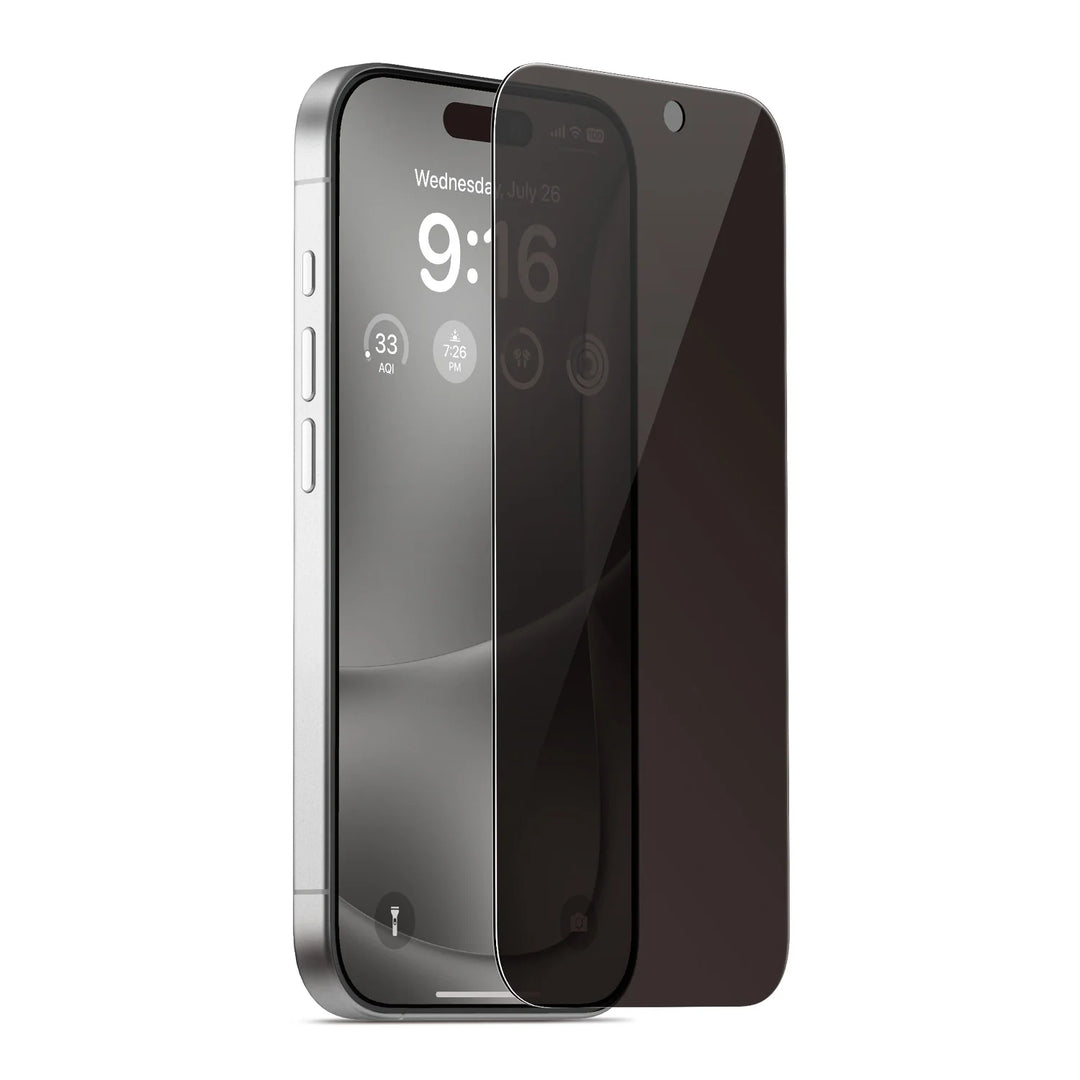
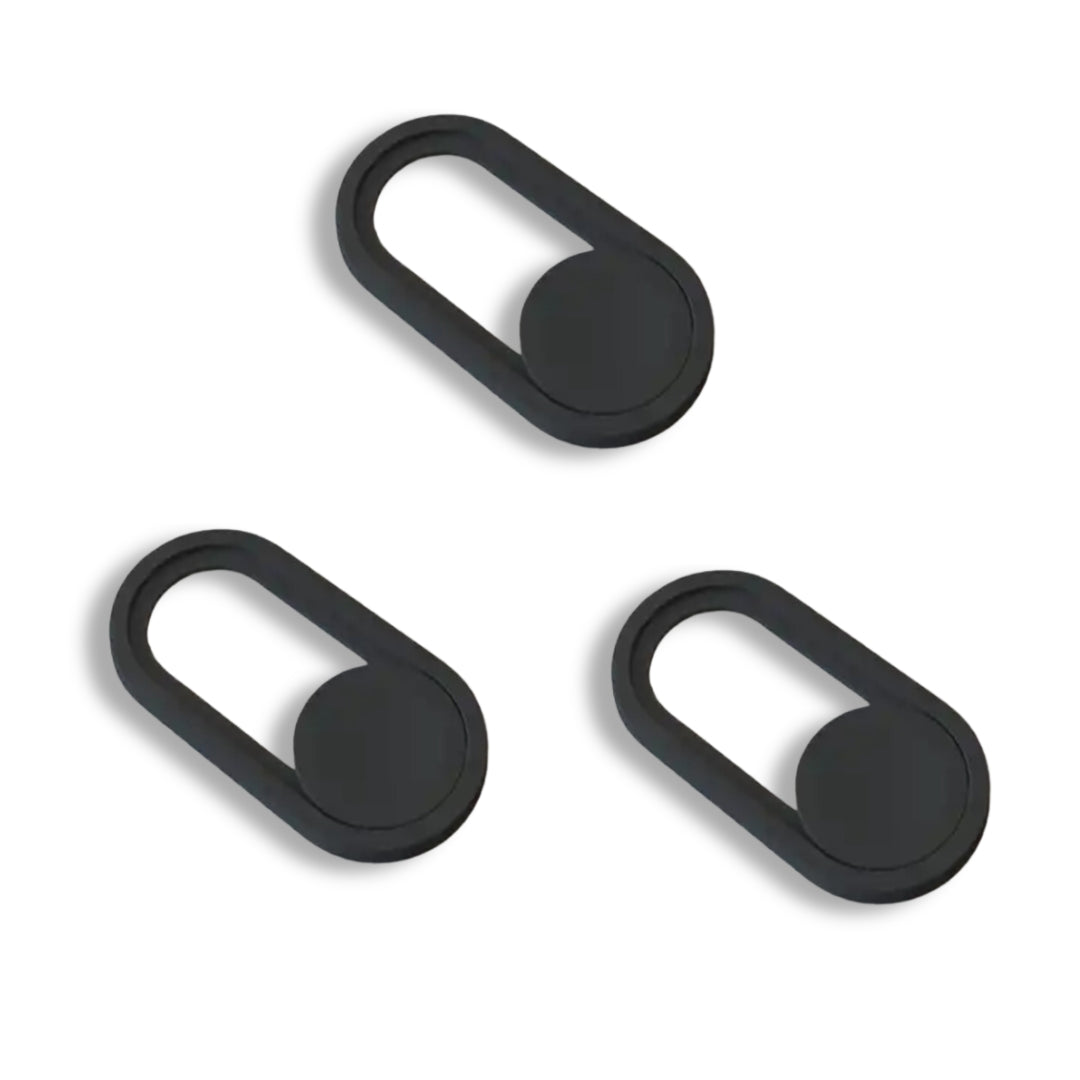
A privacy screen narrows the visible viewing angle of the display. From the side the content stays dark; from the front you see it clearly. A camera cover closes the lens mechanically. Software can be fooled. A physical cover cannot.
When a privacy screen and camera cover make sense
On the train, in a café, on a plane. Anywhere strangers next to you can read your screen.
In the home office and on video calls. You decide when the camera sees and when it does not.
When handling sensitive data. For login details, messages, and documents in public.
For family and children. A covered camera protects the tablet and the laptop at home.
What to look for
Fit. A privacy screen has to match the device. Choose the correct model for your iPhone.
Viewing angle. A good filter darkens strongly at the sides and stays clear from the front.
Camera cover. A flat profile lets the laptop still close and leaves the lens free once the cover is open.
Privacy screen or signal blocking?
A privacy screen and camera cover protect against onlookers and the camera. They do not provide signal blocking or EMF shielding. To isolate a device from radio signals, see Signal Blocking / Faraday Bags. To protect cards and passports from being read, see RFID and NFC Protection.
TOCA builds products for everyday privacy. Designed in Germany. Built for daily use.

Visual Privacy
Block onlookers. Cover the lens.
Privacy screen and camera cover for physical privacy in everyday use.

FAQ
Frequently Asked Questions
What is the difference between a privacy screen and a camera cover?
A privacy screen narrows the viewing angle of the display so that people to the side cannot read it. A camera cover mechanically closes the front camera. Both protect your visual privacy in different ways.
Does a privacy screen affect image quality?
From the front you see the screen clearly. From the side the content goes dark. At high brightness the display stays easy to read.
Do these products block radio signals?
No. A privacy screen and camera cover protect only against onlookers. They do not provide signal blocking or EMF shielding.