
Wallets with RFID and NFC protection. A shielding layer in the lining makes it harder for contactless cards to be read without your knowledge while they sit in your wallet.
4 products
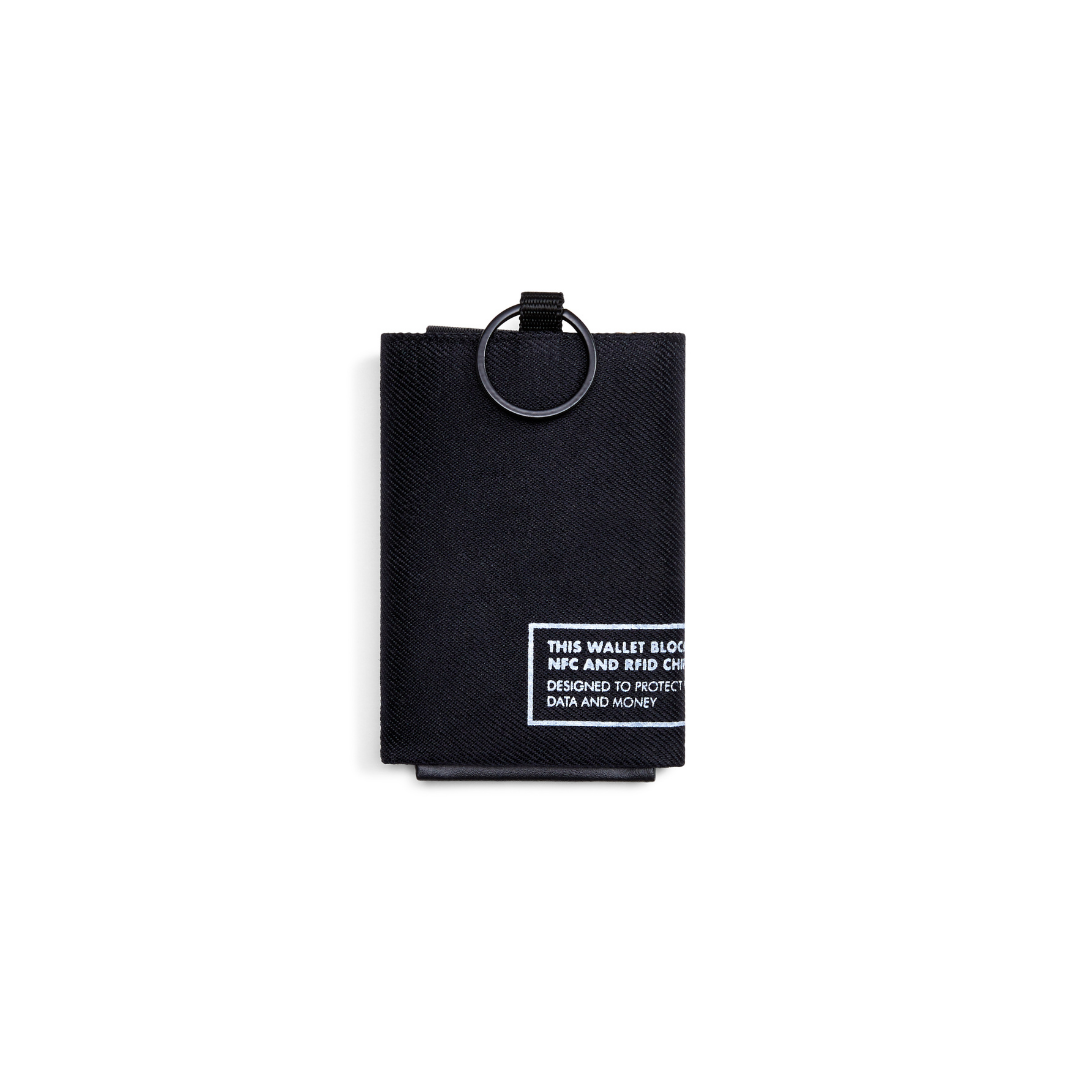
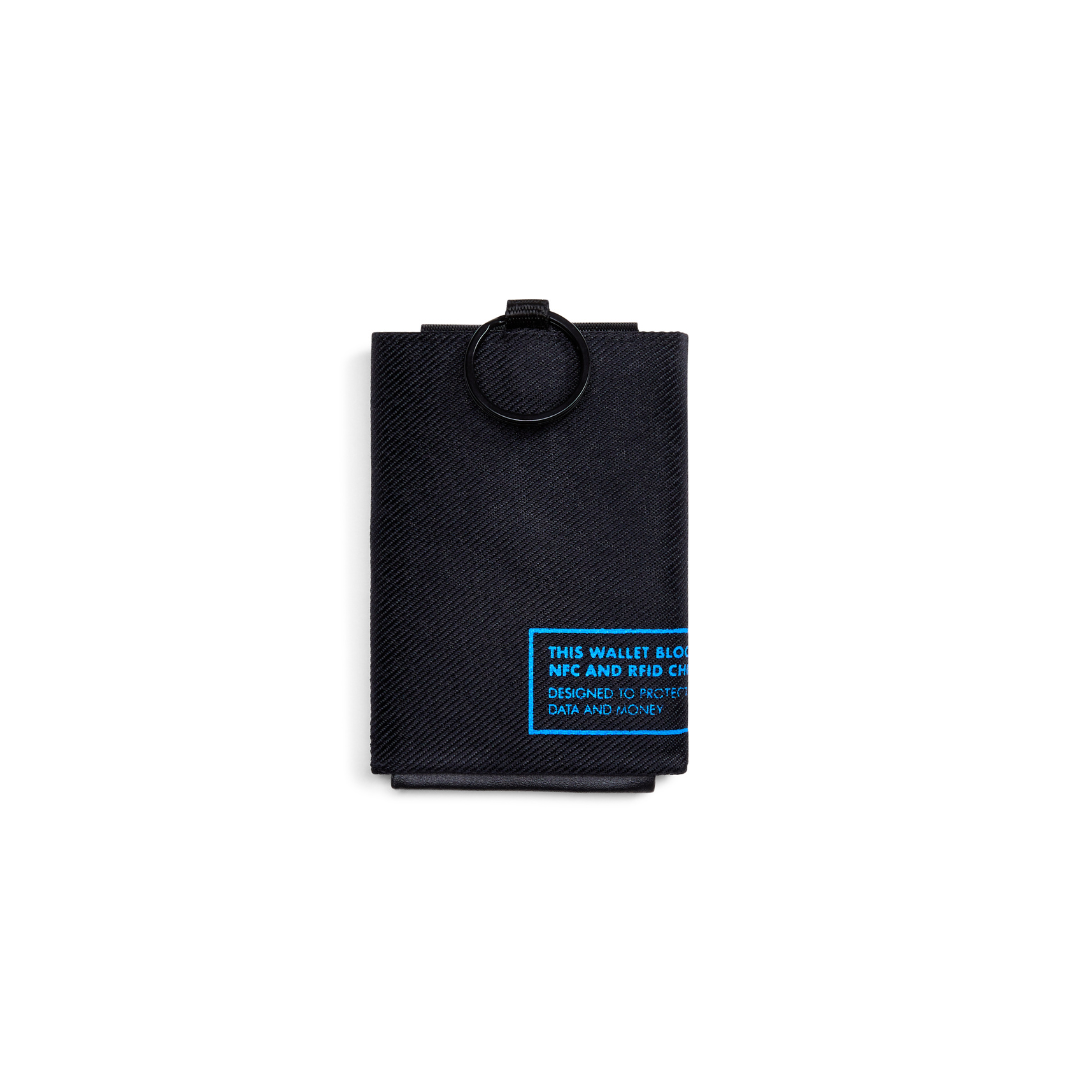
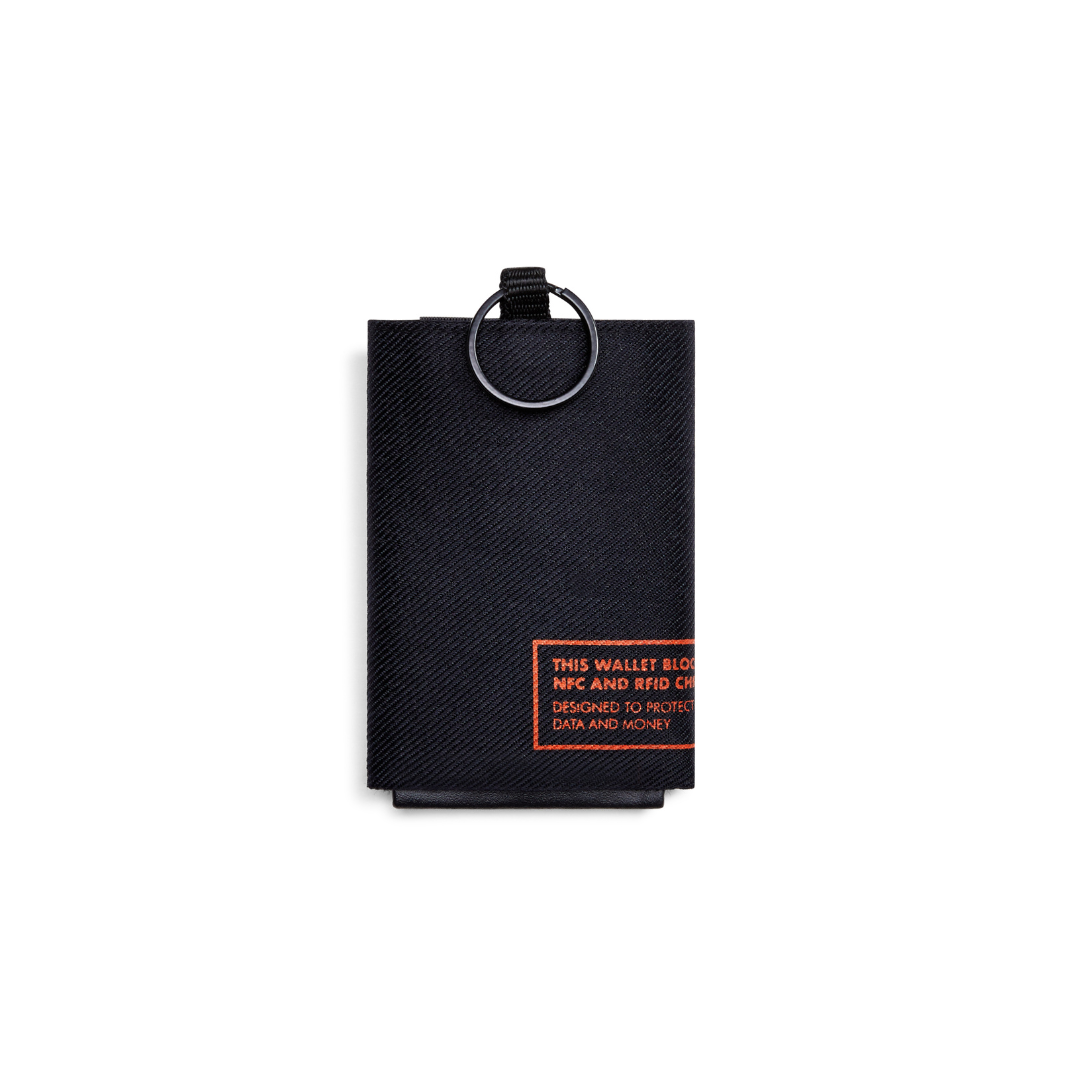
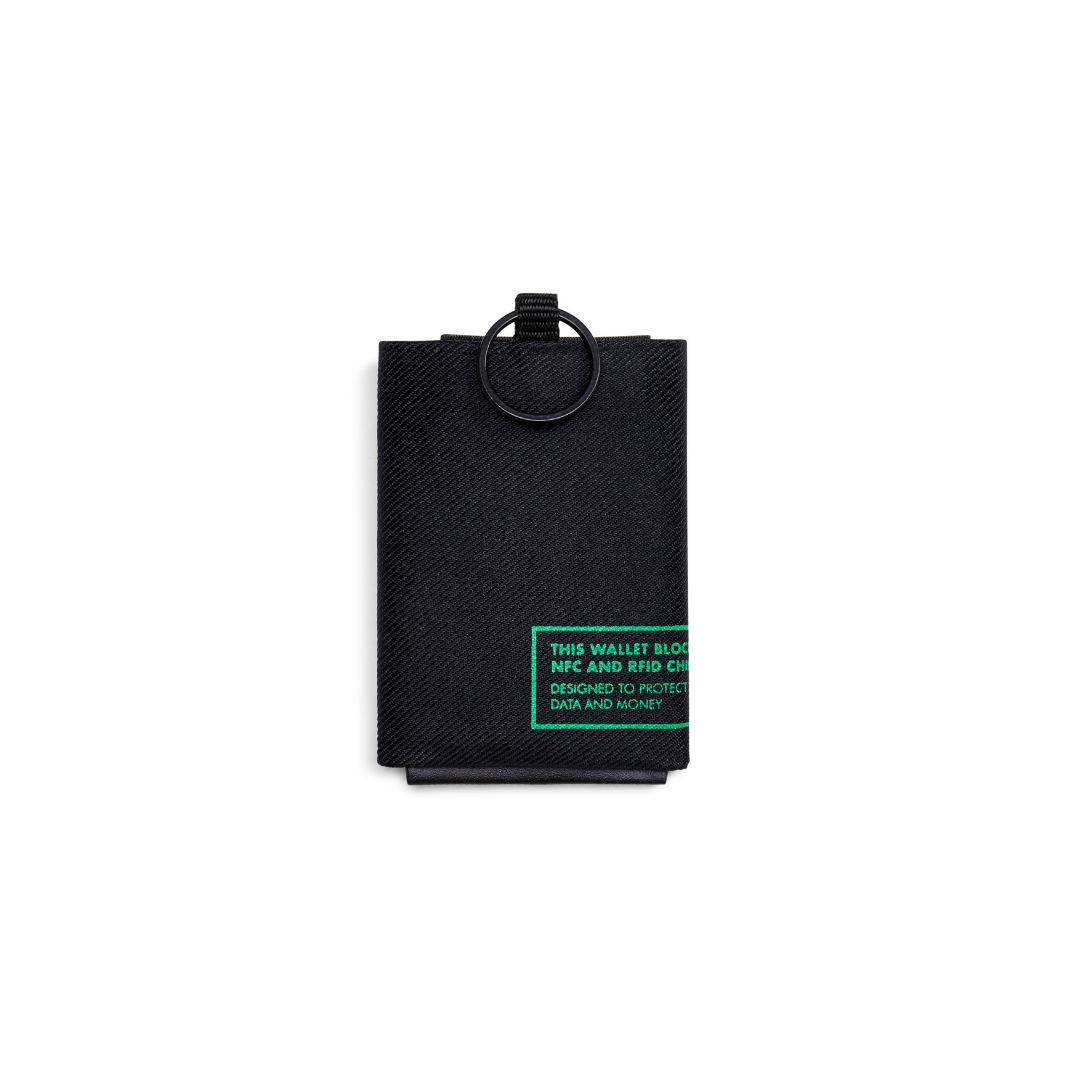
TOCA ·RFID Blocking Wallet
What you need to know.
RFID Protection
NFC Protection
Passive
How unauthorised card reading works
In what is commonly called skimming, someone tries to bring a reader close enough to another person's card to trigger a response. In practice that requires real proximity, usually a few centimetres, and a reader that is hard to operate discreetly.
The risk is exaggerated by some sellers. Realistically it is limited: payments are capped, transactions are logged, and the PIN, CVV and full card profile cannot be read.
What can be read, depending on the card, is the card number and expiry date. That is enough for an unnoticed payment or for data collection. If you want to rule that out, you shield your cards. It is a simple, one-time measure.
Not just bank cards
RFID and NFC chips are in far more than payment cards. Company badges and access cards, membership cards, hotel keycards and ID cards all carry them.
With access cards the issue is not money but entry. A cloned access card is a different kind of problem from a copied card number, and in many cases the more serious one.
Why the wallet is the right place for it
Your cards are in your wallet anyway. With the shielding built in, the protection is always active without you having to think about it. A single blocker card in a slot, by contrast, protects unreliably, because it does not dampen the field all the way around.
How to recognise real RFID protection
Shielding in the lining. The protection has to sit in the layer that encloses the card. A print or a label on the outside does nothing.
Full enclosure. A card sticking half out of its slot is not shielded.
Everyday usability. A wallet you leave at home because of its size protects nothing.
How to test your wallet
- Put the contactless card fully into the shielded compartment.
- Hold the closed wallet against a card terminal or an NFC-enabled phone.
- No card should be detected.
If the card is detected, it is not fully inside the shielded compartment, or the wallet is not shielding effectively.
Passports and devices
A passport does not fit in a wallet. There is a separate passport sleeve for that.
How RFID and NFC work technically is explained under RFID and NFC protection.
Read more: RFID protection in your wallet
TOCA designs and produces protection for cards, documents and devices. Designed in Germany. Built for everyday use.
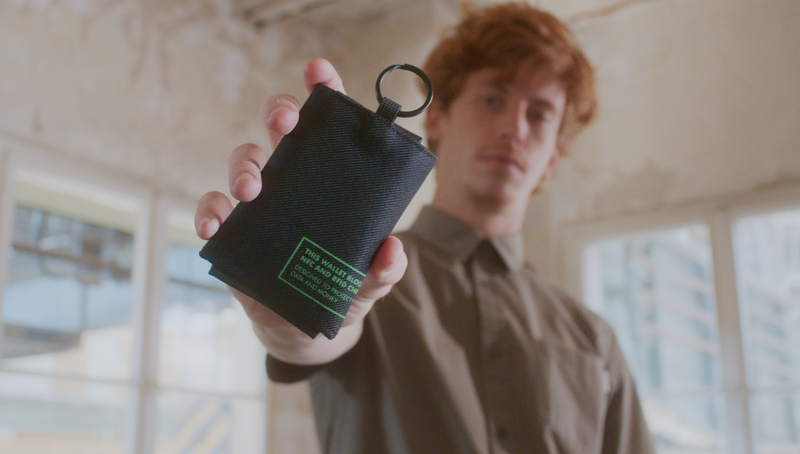
RFID Blocking Wallet
Shielding in the lining.
The conductive layer dampens the field that would activate the chip. Passive. No battery.

FAQ
Frequently Asked Questions
Is contactless card skimming a realistic risk?
The risk is often overstated. A reader has to be brought very close to the card, payments are capped, and the PIN, CVV and full card profile cannot be read. What can be read, depending on the card, is the card number and expiry date.
Is a single RFID blocker card in a slot enough?
Only unreliably. A blocker card does not dampen the field all the way around. A continuous shielding layer in the lining protects every card that sits fully inside.
Will my cards still work normally afterwards?
Yes. The shielding is passive and does not alter the card. As soon as you take it out of the shielded compartment it works as usual, including contactless.
Does the wallet protect my company badge too?
Yes, as long as it sits fully inside the shielded compartment. With access cards the issue is entry rather than money, and a cloned badge is often the more serious problem.